Omaha, Utah, Sword, Gold, and Juno
These are the code names of the 5 landing beaches of the D-Day invasion.
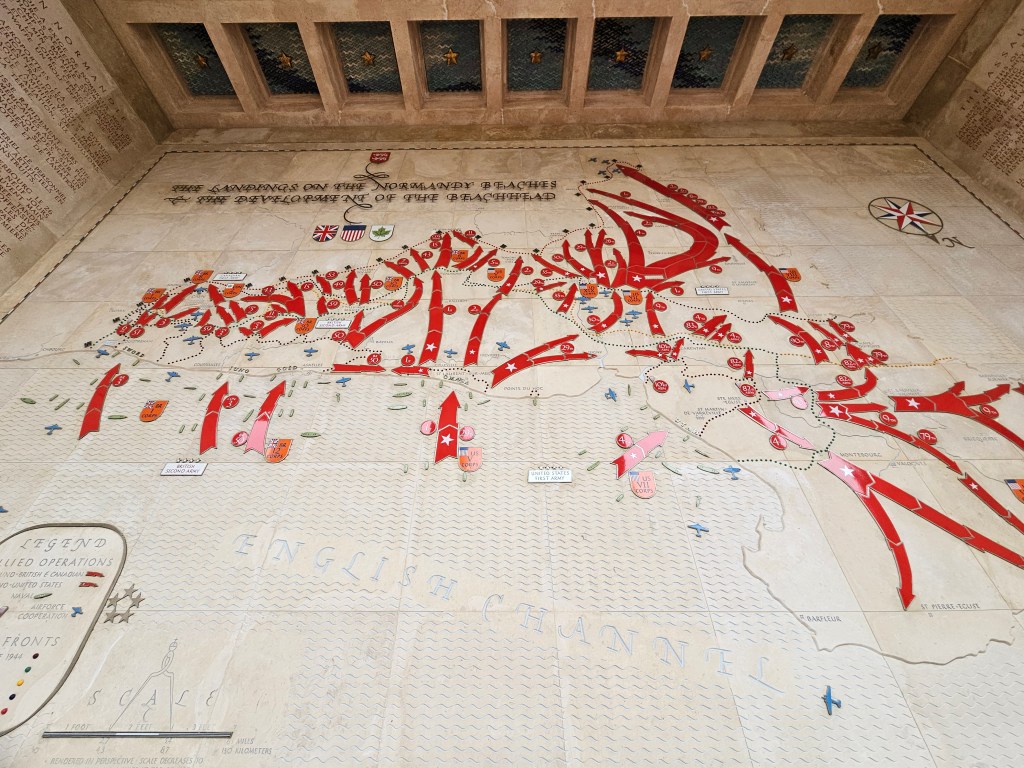
My whole life, I have seen the maps showing arrows of which Division hit which beach. The same maps show the slow progress of the Normandy campaign.
It’s all very static.
That is until you walk on those same beaches where they landed and see the cliffs they had to climb while under withering enemy machine gun fire.
It doesn’t seem so static then.
I began to shiver.
Perhaps it was from the cold rain and wind whipping off the English Channel, or more likely, it’s from the realization that these boys (they were just boys) had to cross these murder fields with 70 pounds of gear slung on their back while all around them bullets killed their friends.
The very idea of what we asked (and continue to ask) people to do to serve a cause greater than themselves is difficult to fathom. Even more difficult is wondering how many are still willing to answer that call.
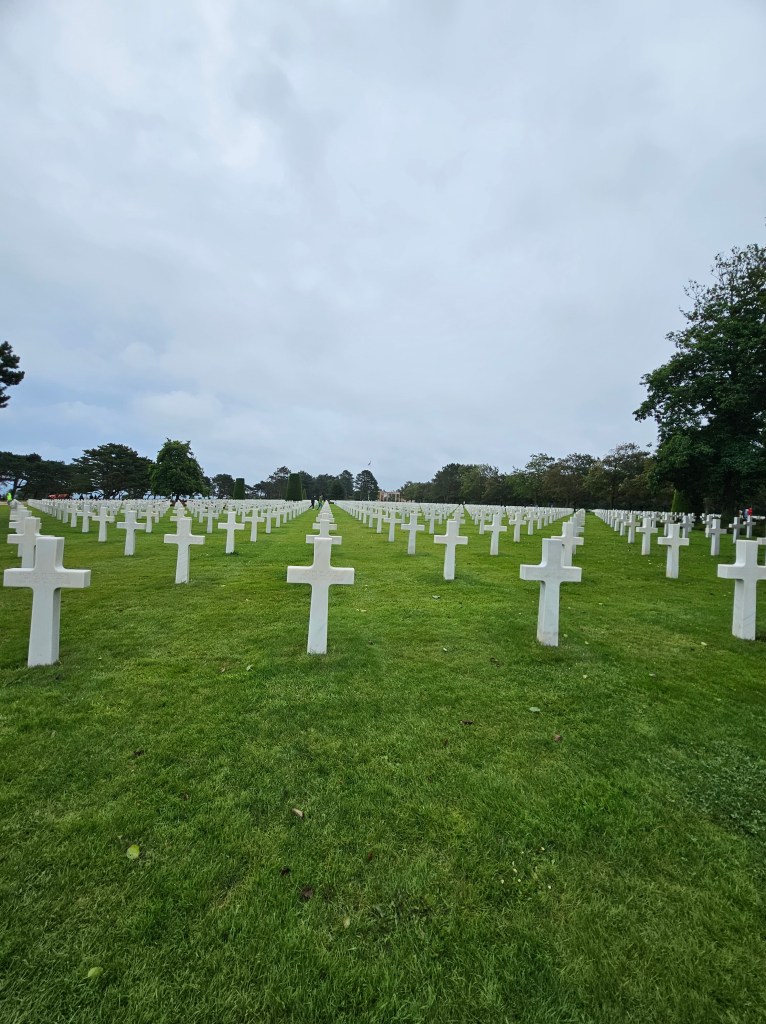
The American cemetery at Omaha has thousands of white crosses to mark the graves of the fallen. Rank is irrelevant as privates lie next to generals just like they did on the battlefield on that gray cold day in June 1944.
My tour ended at a 12th-century chapel where two American medics saved the lives of both U.S. and German soldiers by convincing both sides not to execute one another.
One of those medics, 60 years later, asked to be buried in the small graveyard next to the chapel so he could be closer to all of his friends who made the ultimate sacrifice those many years ago.
Even in the middle of all that killing and destruction, these men showed that humanity could still exist.
To Service and Sacrifice.


Leave a comment